Colombia
Restitución de tierras
Colombia's returning farmers
“One day the paramilitaries came to my place; they said ‘Either you sell us your farm, or we’ll buy it from your widow.’ We took all our stuff and we left. They never paid for the land. They gave me some rubber checks…” (Grajales, 2011, p.771)
Colombia suffered more than fifty years of armed conflict, in which guerrillas, paramilitaries and drug cartels battled each other and the state, producing the second-largest population of internally displaced people in the world.
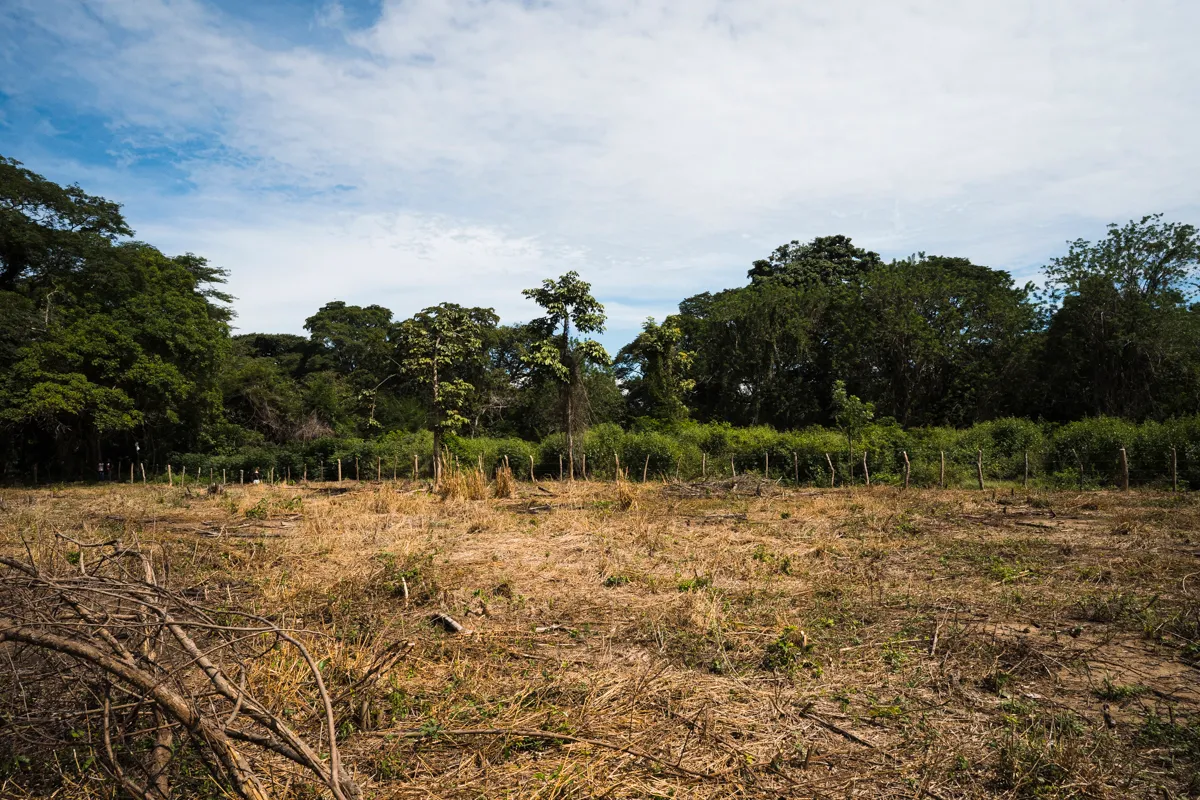
To set something against the sheer scale of the problem, in 2011 former president Juan Manuel Santos initiated the Victims and Land Restitution Law. Its purpose is the material and legal return of “stolen” land to its former owners, and it promises a return in conditions of safety, sustainability and dignity.
While the Colombian government has been praised by the international community for the legislation, it is the returning farmers who bear the burden of rebuilding what they lost.
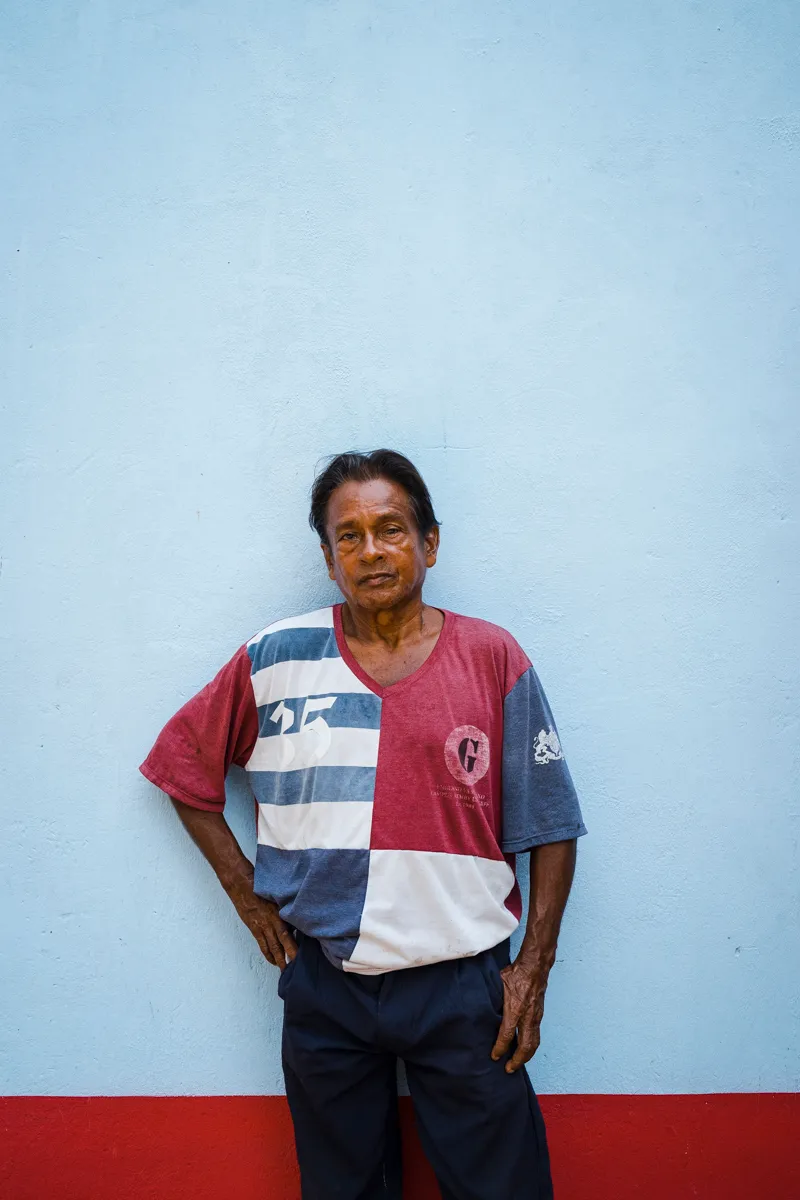
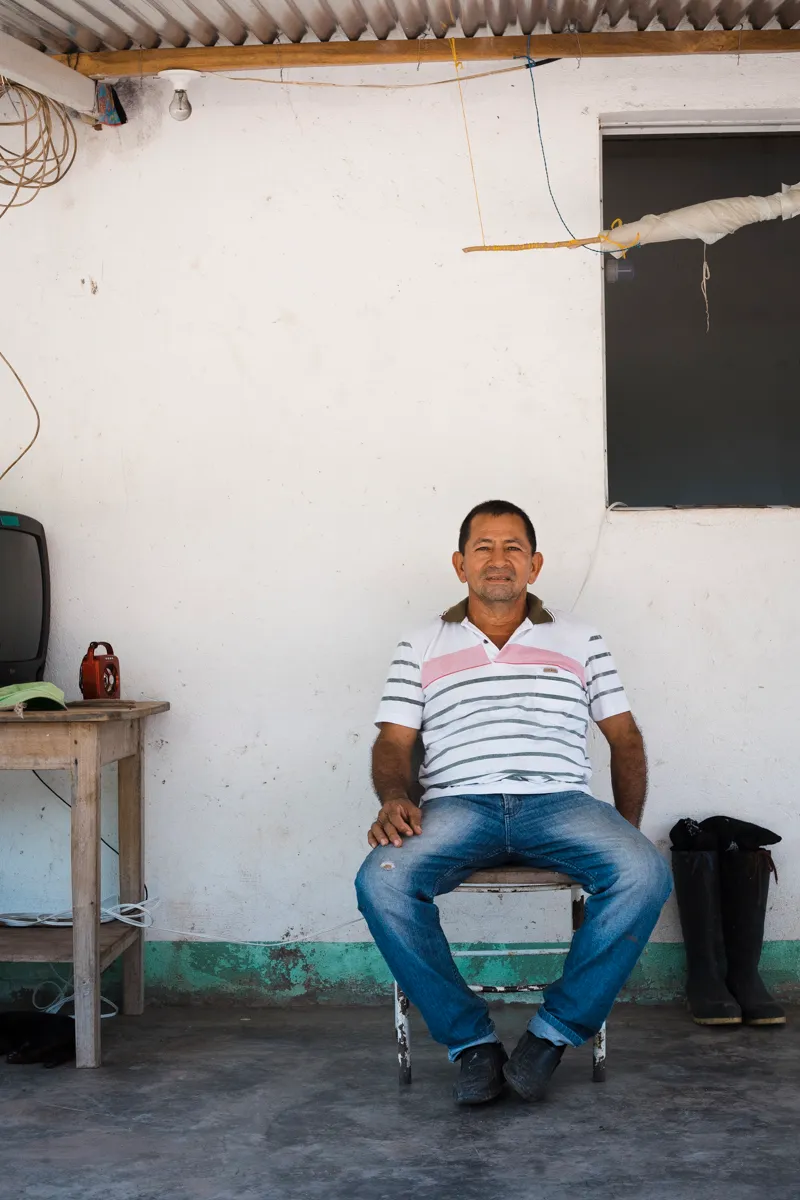
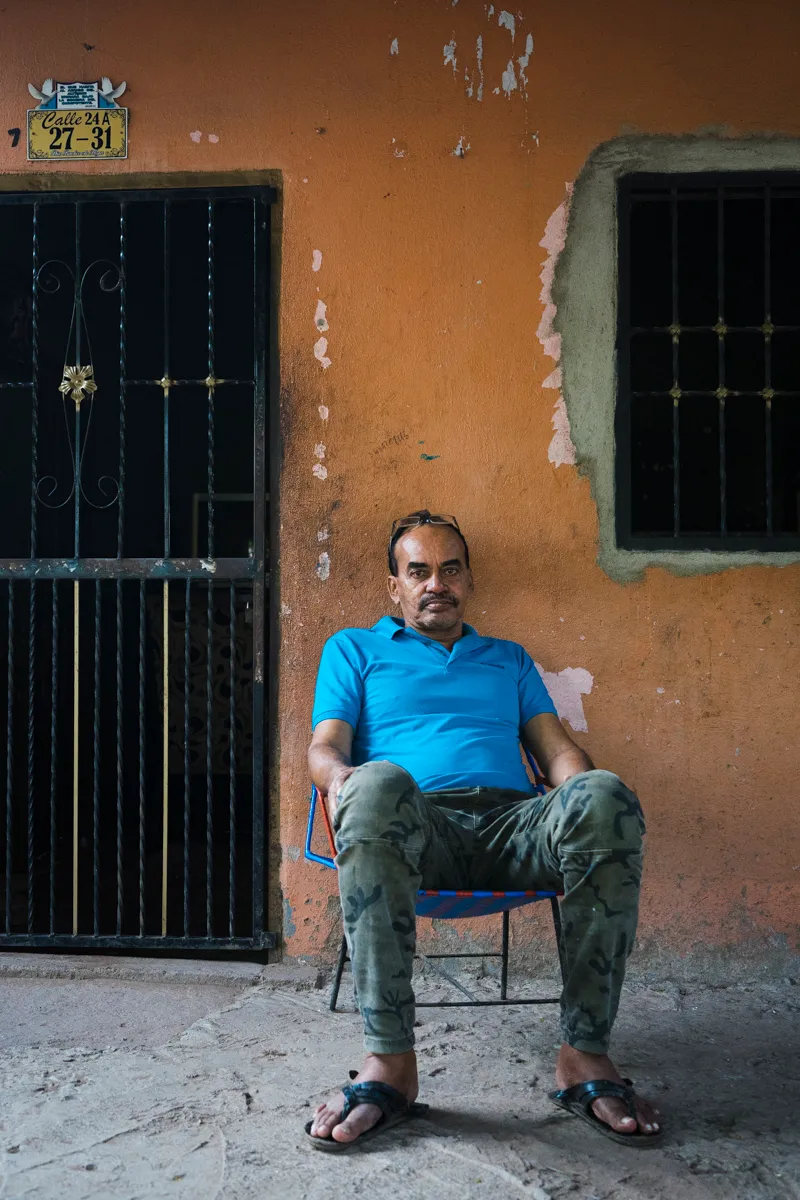
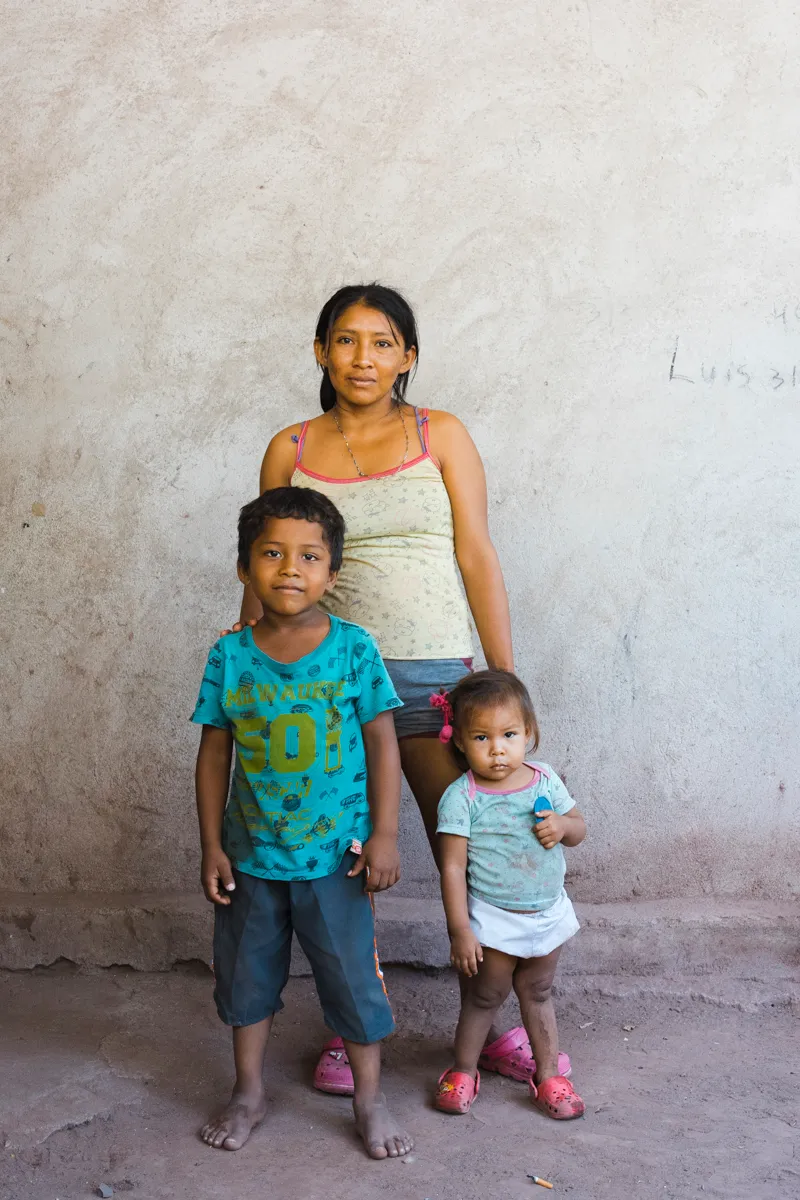
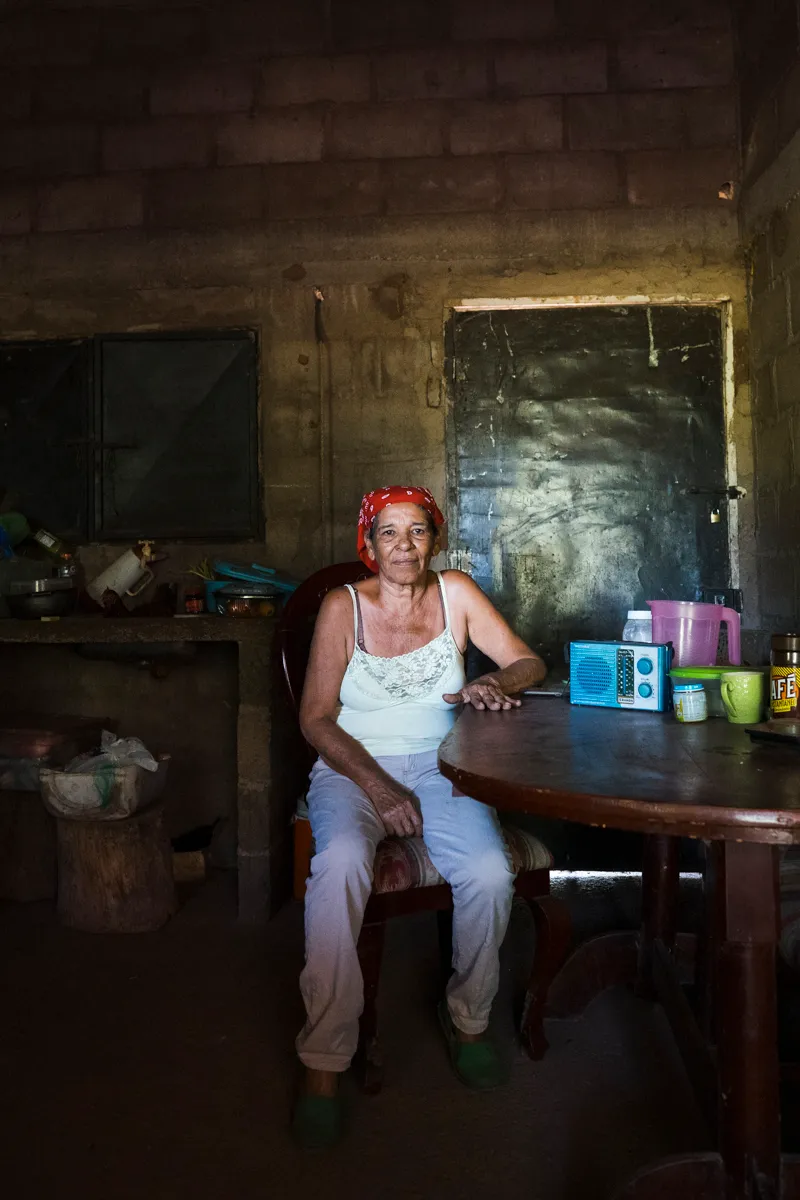
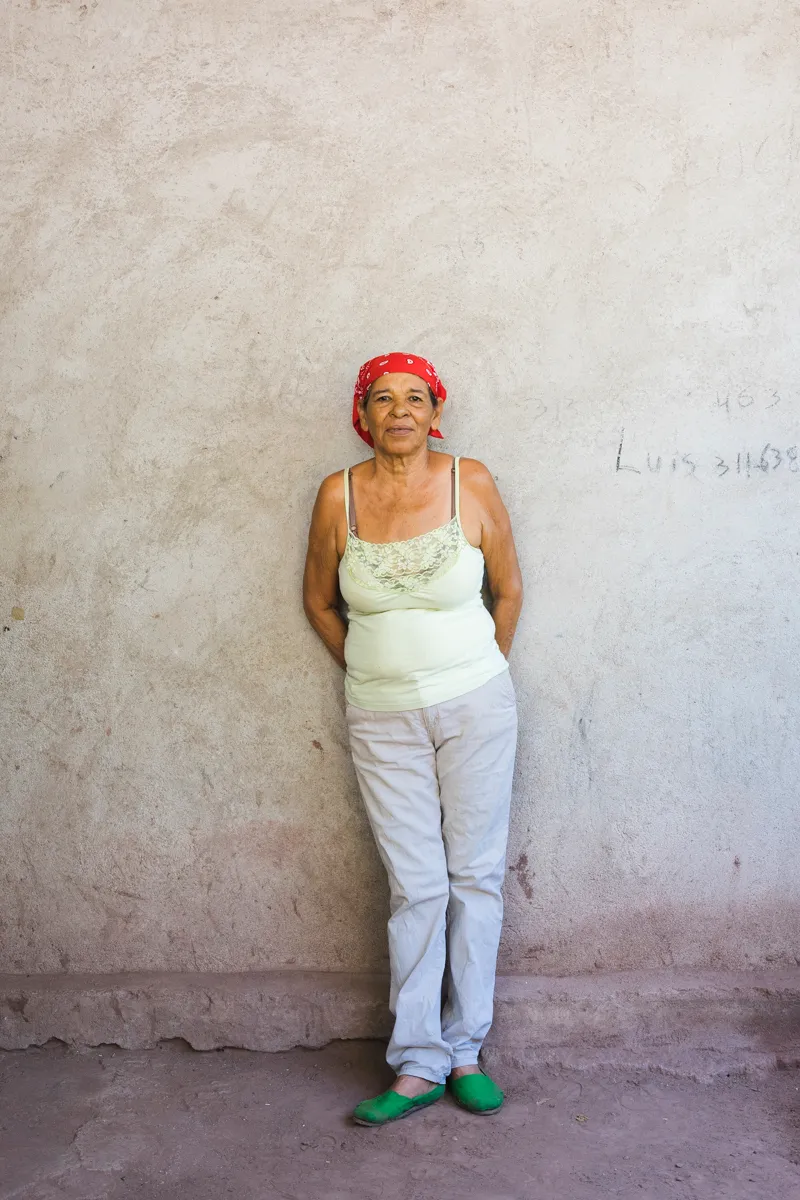
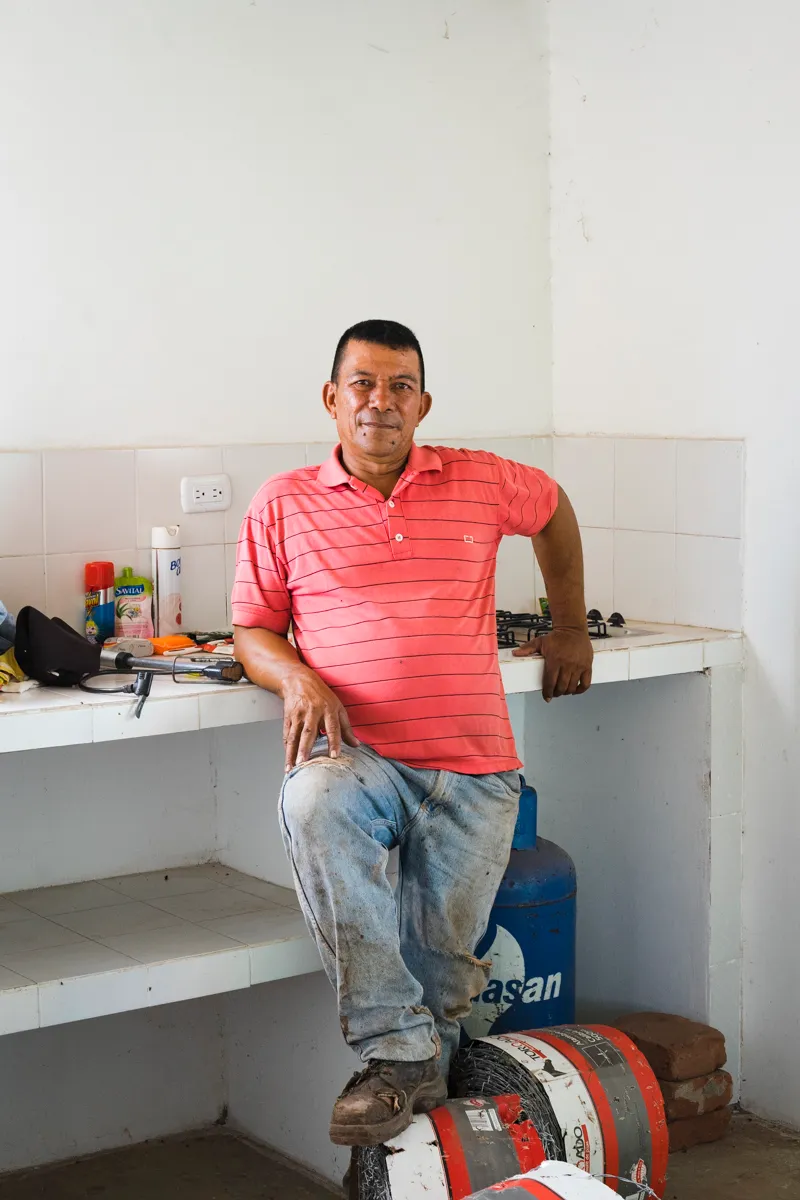
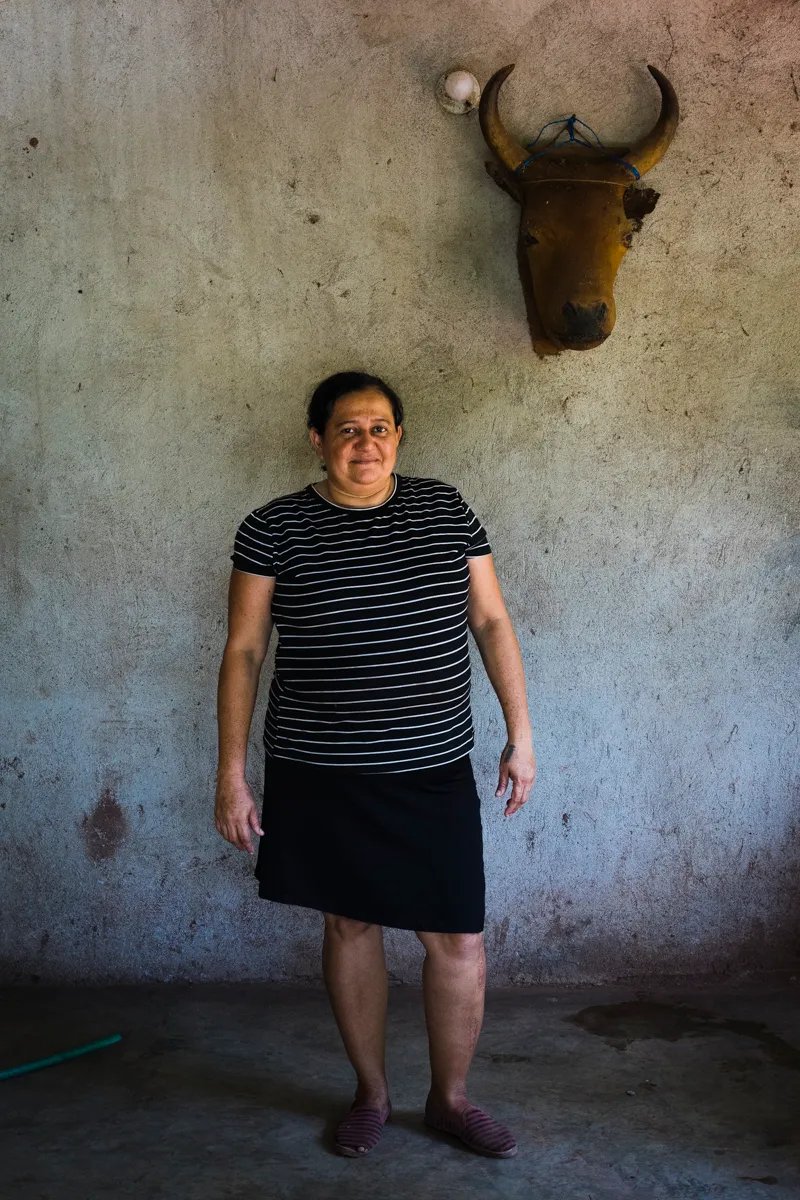
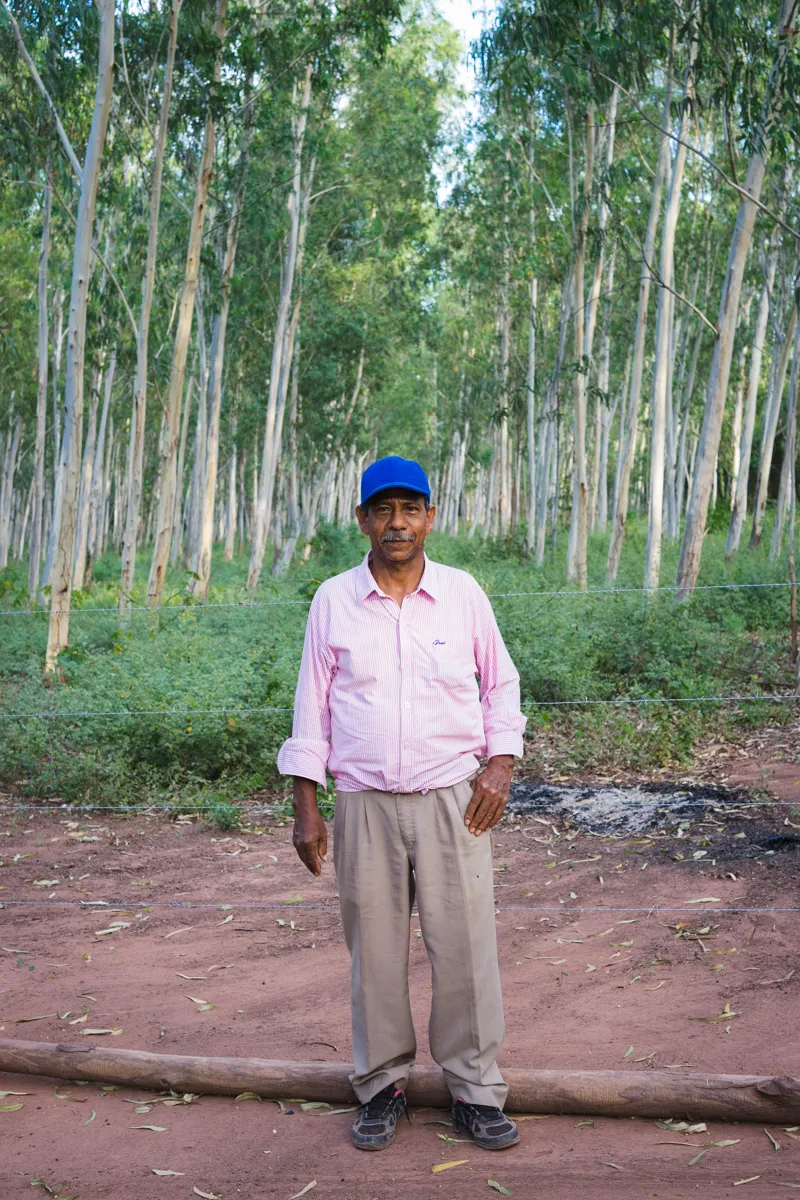
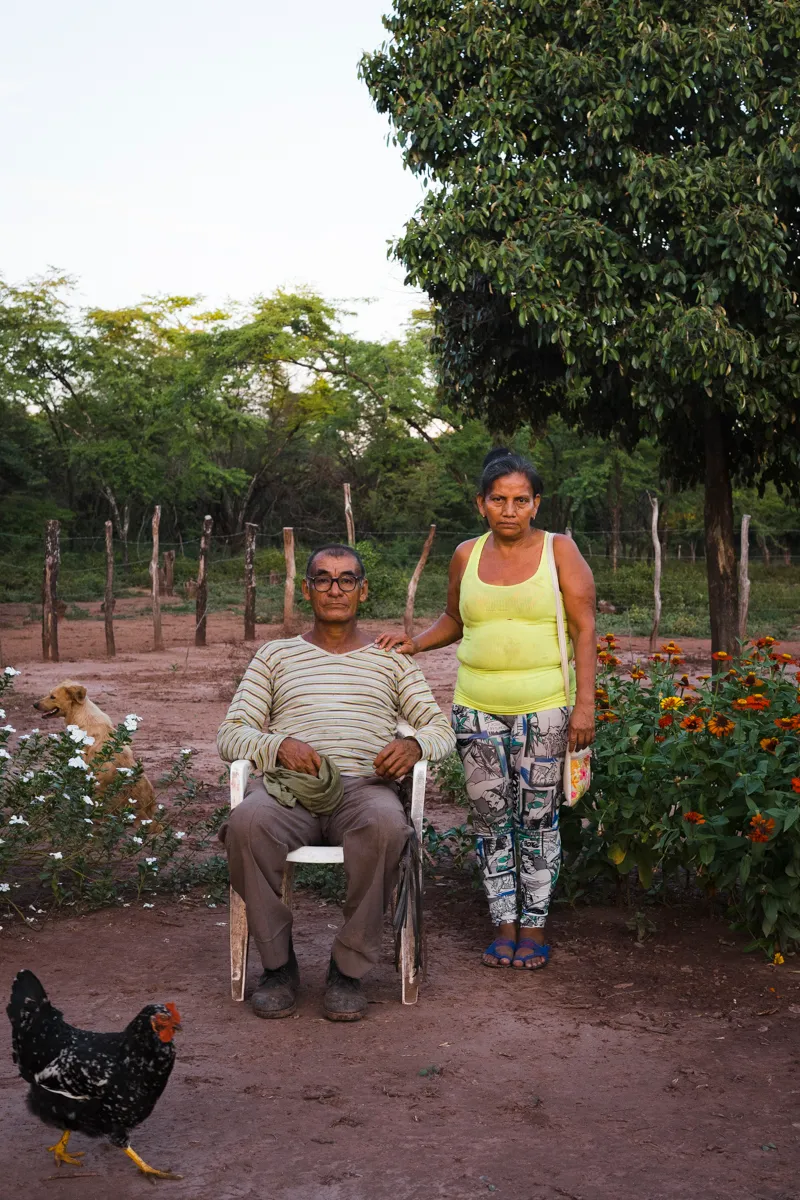
Their largely invisible faces are the centre of this work. For them, the land makes up a large part of who they are: “A farmer without land is nothing,” as Pablo puts it. For him, the return is bound up with great hopes.
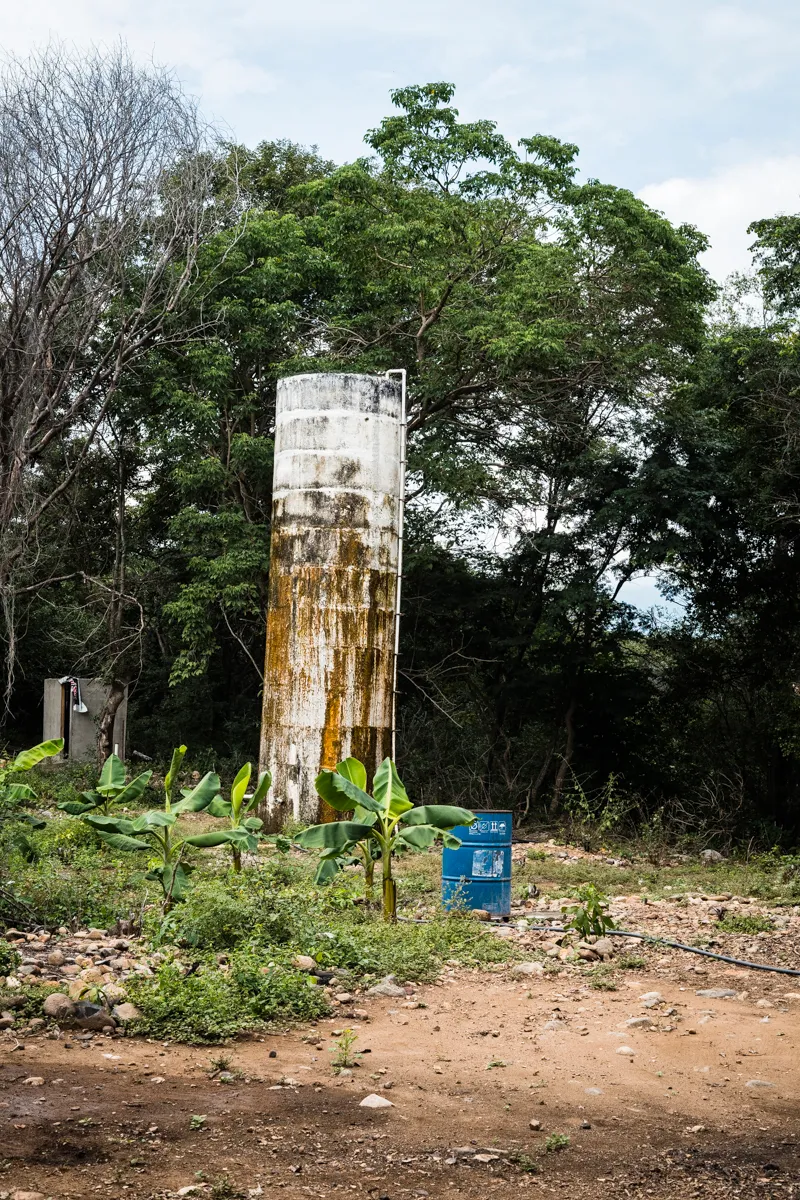
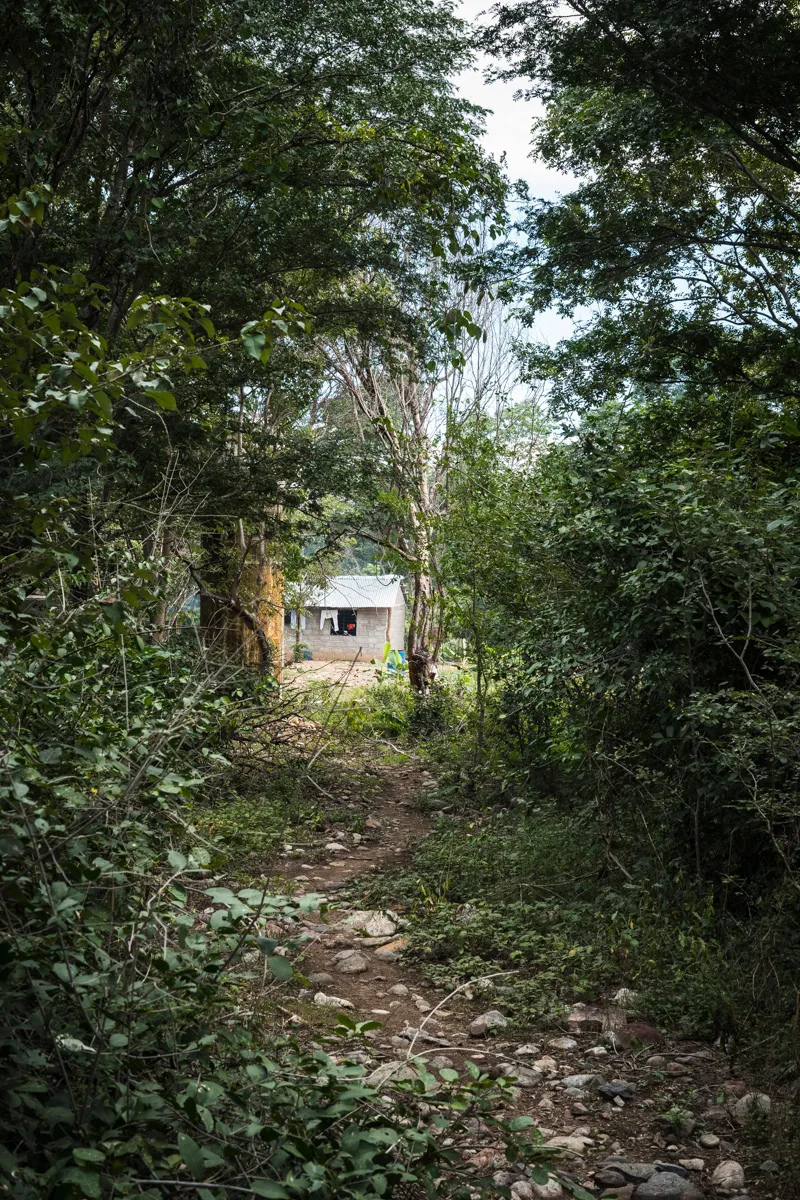
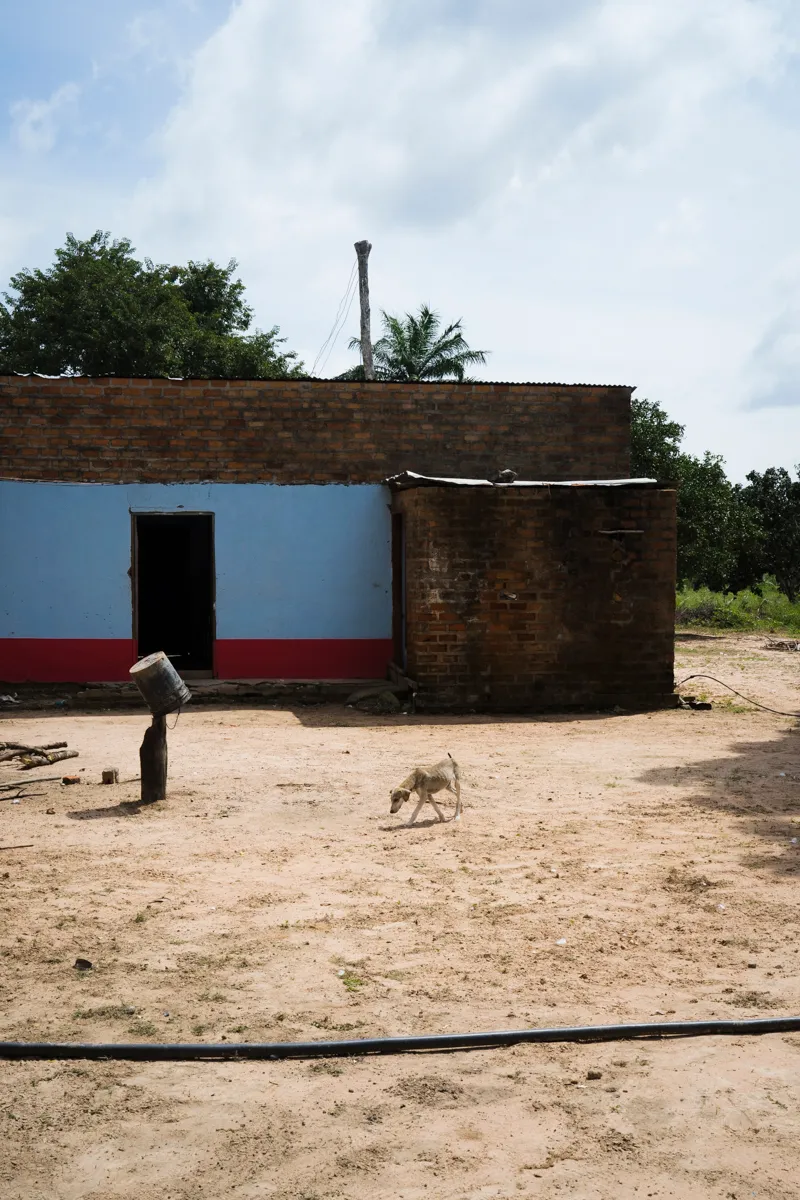
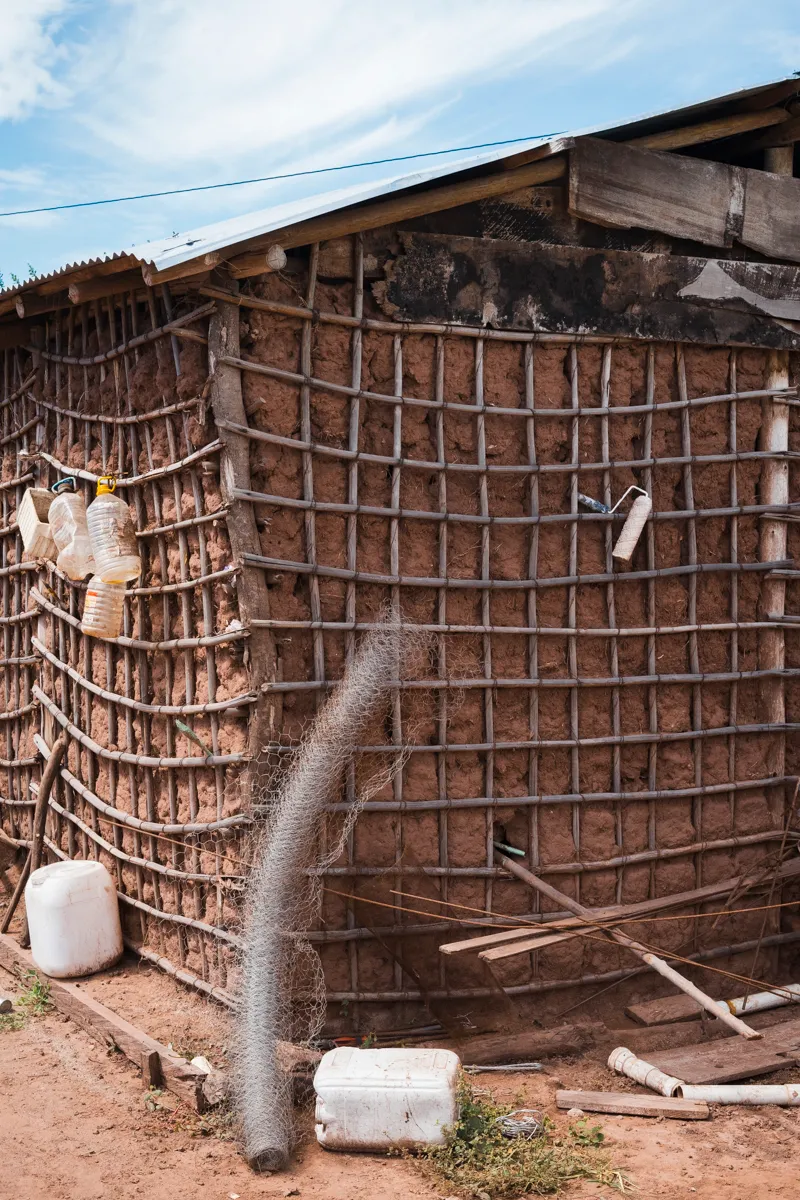
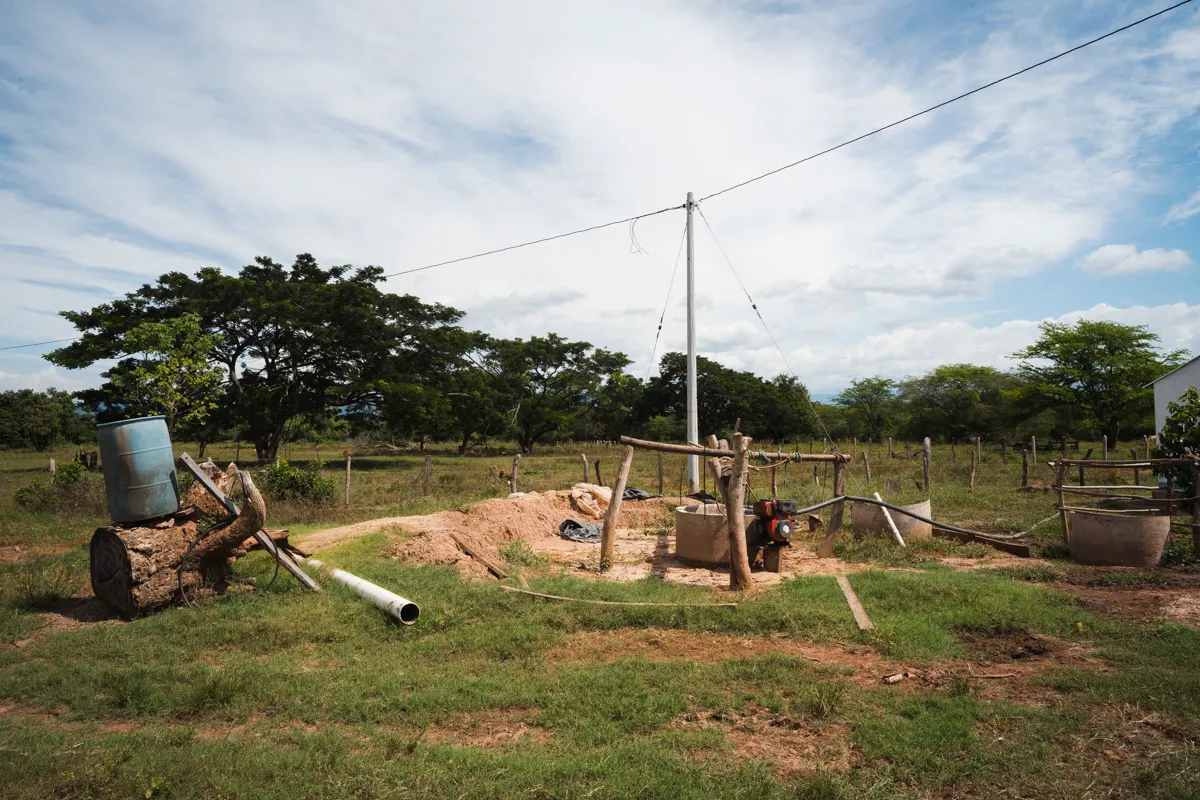
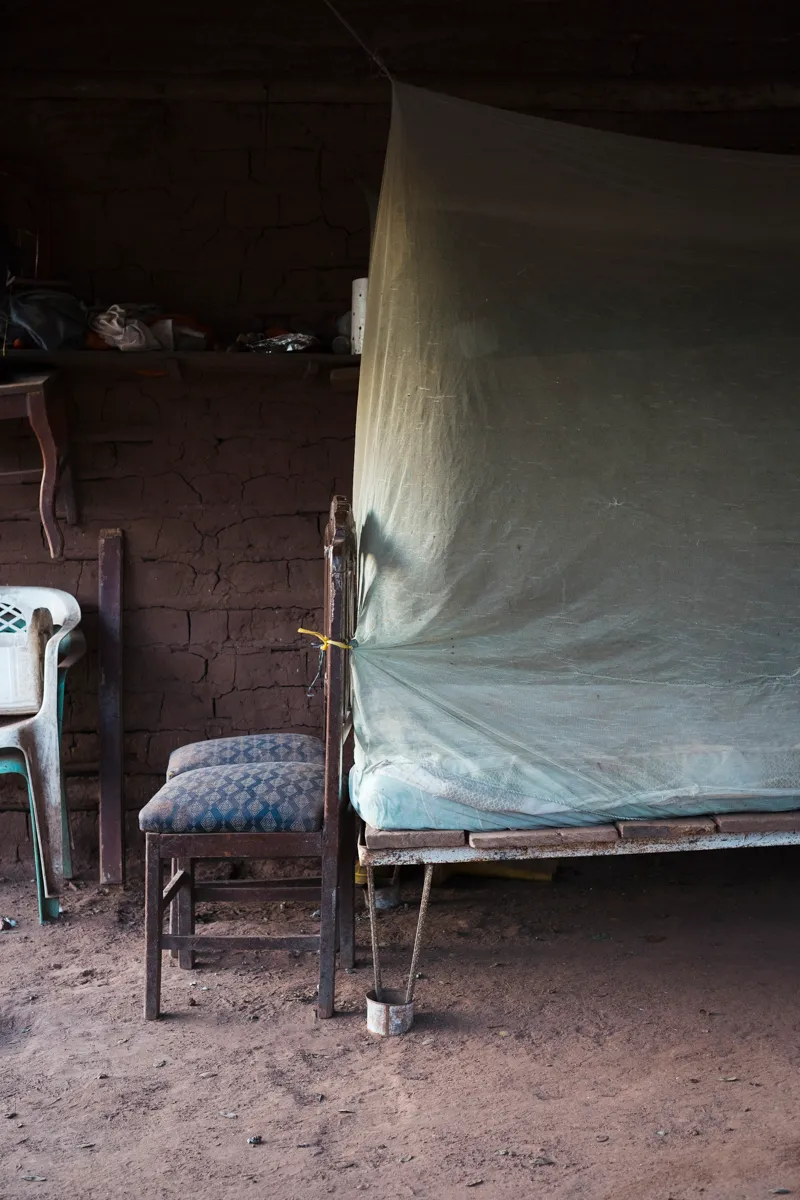
Yet even where there is gratitude for the recognition of their situation, those hopes often go unfulfilled. On returning, farmers are confronted with threats to their lives, traumatic memory, water scarcity, a lack of housing, and meagre income. And still they keep fighting — for a life in peace.